Local guidesNorth GwinnettDuluth
Duluth
Duluth is a city in west-central Gwinnett County, Georgia, in the northeastern part of the Atlanta metropolitan area, with a population of 31,873 at the 2020 census.
Where is Duluth, and what is it like?
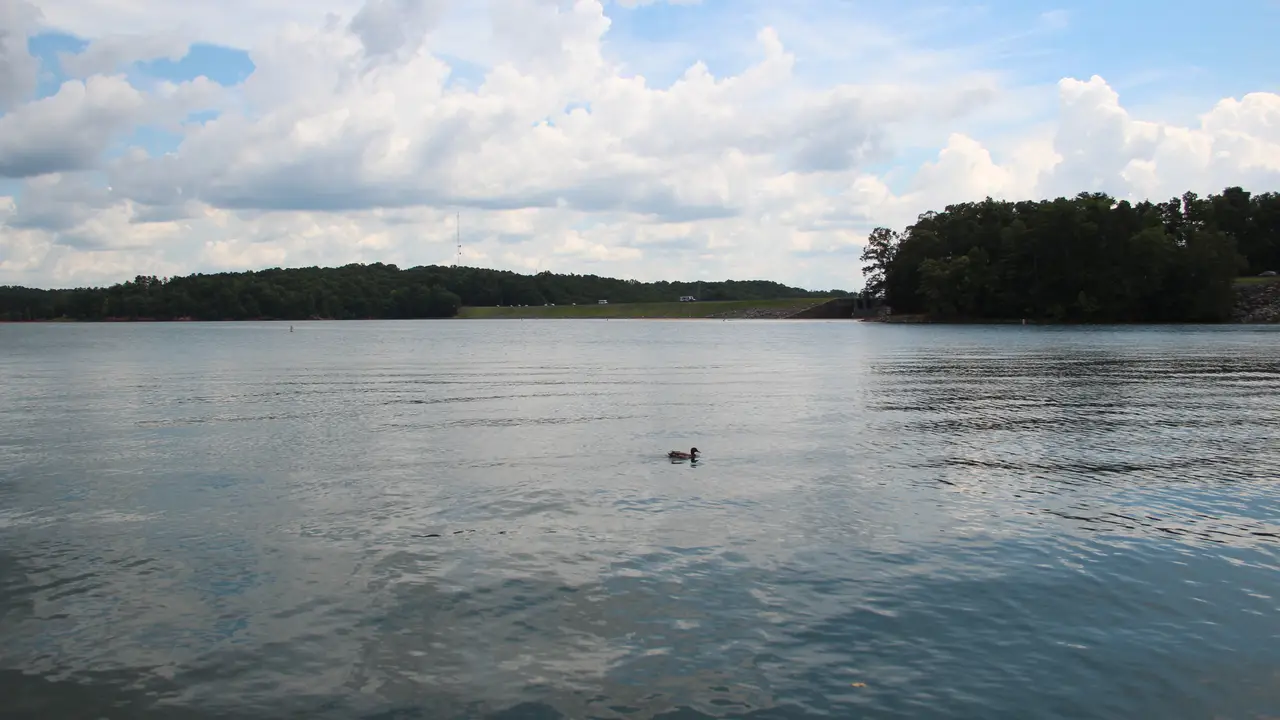
Duluth lies north of Interstate 85 in the west-central part of Gwinnett County. It is about 25 miles northeast of Atlanta. The Chattahoochee River forms its northern boundary and the county line. Suwanee lies to the northeast, Berkeley Lake to the west, and unincorporated land to the south.
The 2020 census counted 31,873 people. The city covers 10.38 square miles (26.89 km2), of which 10.22 square miles is land and 0.16 square miles is water. The elevation is 1,060 feet (320 m). The median age is 37.4, and the census counted 12,501 households.
The climate is humid subtropical. January averages 41.0 degrees Fahrenheit and July averages 78.3 degrees. The city's motto is Pride in Old and New. It runs a council-manager government with a mayor and five council members.
How did Duluth begin?
The land was Cherokee territory and mostly forest. An Indian trail was extended through the area during the War of 1812 and settlers called it Old Peachtree Road. It linked Fort Peachtree, in present-day Atlanta, with Fort Daniel, near present-day Dacula. Gwinnett County was established in 1818 and white settlement grew after that.
Cotton merchant Evan Howell built a road from his cotton gin on the Chattahoochee River to Old Peachtree Road. The crossing became known as Howell's Cross Roads, and later Howell's Crossing. In 1871 the community was renamed Duluth, after Congress funded a north-south railroad through the area. The name honors Duluth, Minnesota, which was itself named for Daniel Greysolon, Sieur du Lhut.
A schoolhouse went up in 1871 on the site of today's Coleman Middle School. The first Methodist church was organized the same year, and the first Baptist congregation formed in 1886. Both congregations still exist at new locations along State Route 120.
How did Duluth grow?
The Bank of Duluth was chartered in 1904 and the Farmers and Merchants Bank followed in 1911. Neither survived the Great Depression. In 1922 Duluth elected Georgia's first female mayor, Alice Harrell Strickland. She donated one acre for a community forest and promoted public land for recreation.
The population was 242 in 1880 and 2,956 in 1980. It grew quickly with the rest of Gwinnett County in the 1970s and 1980s, reaching 9,029 in 1990 and 22,122 in 2000. The 2010 census counted 26,600.
For much of the 20th century Duluth was one of the few small towns in rural Gwinnett with its own hospital, Joan Glancy Memorial Hospital. Gwinnett Medical Center Duluth replaced it in 2006. A major revitalization of downtown took place in the early 21st century.
What is there to do in Duluth?
Recurring happenings include Art Month, Fridays-N-Duluth and Howl on the Green, along with concerts. The city also has a Parks and Recreation department.
The Duluth branch of the Gwinnett County Public Library serves the city.
What kinds of business and services are in Duluth?
The city has its own Economic Development office. The city also has Finance, Human Resources, Public Works, Stormwater, Municipal Court, and Community Development and Engineering departments.
Health care is part of the local picture. Northside Hospital Duluth was built in 2006, and the Northside Gwinnett Joan Glancy Campus stands near downtown.
How do you get around Duluth?
The main roads are Buford Highway (US 23 and Georgia 13), Duluth Highway (Georgia 120), Sugarloaf Parkway and Pleasant Hill Road. Apart from Buford Highway, they link to Interstate 85, which runs about 25 miles to central Atlanta. Ride Gwinnett bus service covers the city.
Railroads shaped the town. Through the 1960s, Southern Railway passenger trains stopped in Duluth, including the local Atlanta to Washington service.
What schools serve Duluth?
Gwinnett County Public Schools runs the public schools. Elementary schools serving the city include Berkeley Lake, Chattahoochee, Chesney, Harris, Mason and Parsons. Harris Elementary is named for B.B. Harris, a former principal and superintendent.
Middle schools are Coleman, Duluth and Hull. High schools are Duluth High School and Peachtree Ridge High School.
Private schools in the area include Atlanta Adventist Academy and Notre Dame Academy.
Find a local business in Duluth
Duluth is covered by the North Gwinnett guide. Start with the businesses in Duluth itself, or look across the whole guide by what they do.
Businesses in DuluthQuestions about Duluth
- What county is Duluth, Georgia in?
- Duluth is in Gwinnett County, in the northeastern part of the Atlanta metropolitan area.
- What was the population of Duluth in 2020?
- The 2020 census counted 31,873 people in Duluth.
- How did Duluth get its name?
- The community was called Howell's Crossing until 1871. It was renamed Duluth after Congress funded a railroad through it, in honor of Duluth, Minnesota.
- Which school district serves Duluth?
- Gwinnett County Public Schools, which includes Duluth High School and Peachtree Ridge High School.
- Which river borders Duluth?
- The Chattahoochee River forms the city's northern boundary and the county line.
- Is there a local business directory for Duluth?
- Yes. Duluth is covered by the North Gwinnett guide from Local Business America. It lists local businesses in Duluth and the towns around it, and it is free to read.
- How do I list my business in Duluth?
- Open the North Gwinnett guide and choose Claim your listing. If your business is not there yet, choose List your business. Claiming is free, and a person checks each claim.
- What does a business listing in Duluth cost?
- Every business has a free listing with opening hours, a map and a link to your website. Essentials is $19 a month and adds a photo gallery, an enquiry form and your Google reviews. Premium is $39 a month and adds a boost to the top of your category and a do-follow link to your website.